Environmental Impact Through System Resilience
Lower-loss infrastructure addresses environmental challenges not by replacing energy generation, but by eliminating waste in existing conveyance systems. This approach directly supports climate adaptation, water security, and ecosystem health.

Water Preservation & Food Security
Every unit of water lost in conveyance is unavailable for agriculture, drinking, or ecosystem services. In arid regions, water-efficient delivery systems are not a luxury—they're essential infrastructure for food security and human survival.
The Western snowpack decline, driven by warming winters, has reduced natural water storage by 18% (2026 baseline). Lower-loss conveyance systems are critical to managing this scarcity and ensuring reliable delivery across agriculture, municipalities, and remote settlements.
Key Impacts:
- • Reduce water loss in distribution systems (67.7% of delivery need is transmission)
- • Enable agriculture in drought-prone regions through efficient conveyance
- • Support remote development and rural settlement with reliable water access
- • Preserve groundwater and surface sources for ecosystem health
Water Crisis Context
Colorado River Basin Serves:
40+ Million People
Agricultural Land Dependent:
5.5M Acres
California Snowpack Coverage (2026):
18% vs Historical Avg
Western Snow Drought Impact:
Critical Adaptation Need
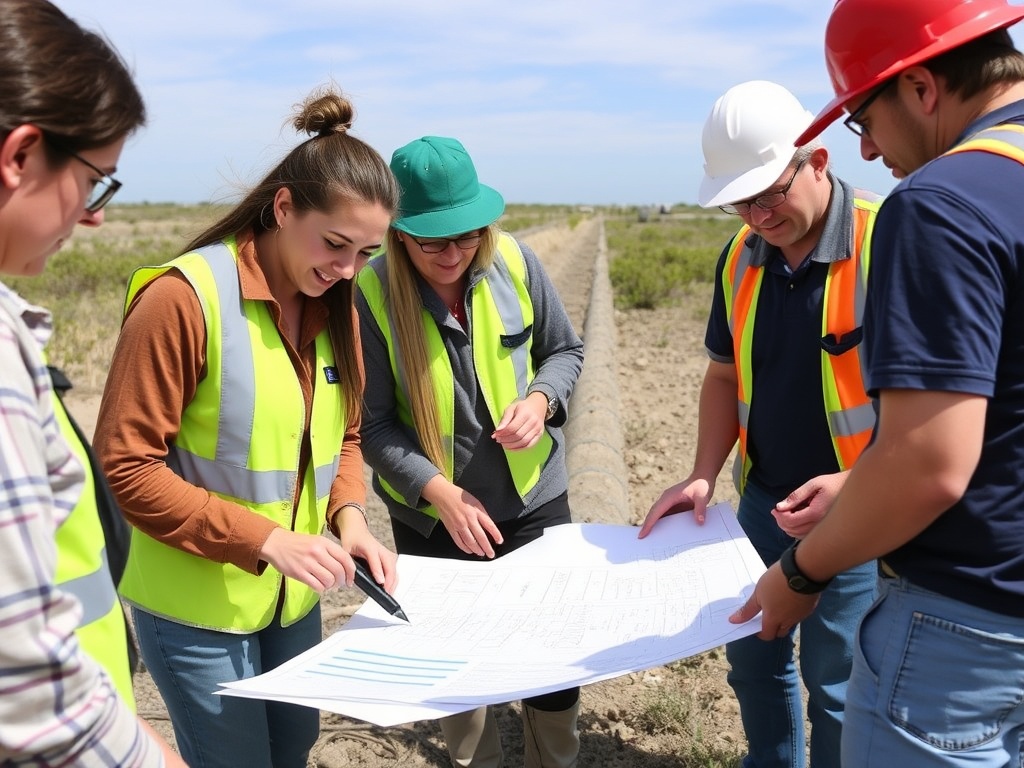
Emissions Impact
Natural Gas Incidents (2012-2021):
6,300
112 deaths, 538 injuries, $2B+ property damage
Methane Loss from Leakage:
Significant
Direct emissions reduction through system integrity
Energy System Losses:
Systemic
Better conveyance reduces overall system burden
Emissions Reduction Through System Integrity
Methane loss from gas systems and material degradation in energy conveyance represent significant emissions. Lower-loss systems directly reduce leak-based emissions while improving service reliability and safety.
Better joint integrity means fewer emergency incidents, reduced system pressure, and lower overall emissions from maintenance and emergency response. This is not theoretical—utilities worldwide are documenting emissions reductions from system improvements.
The integration of lower-loss infrastructure with renewable energy systems amplifies climate benefits. Efficient delivery systems are essential infrastructure for clean energy transition, enabling reliable service on smaller generation capacity.
Ecosystem Health & Climate Adaptation
Climate resilience depends on systems that work reliably under stress. Lower-loss infrastructure enables adaptation strategies that would otherwise be unsustainable.

Ecosystem Restoration
The Amazon has lost 17% of its forest in 50 years. Inefficiency in resource systems contributes to deforestation pressure. Better infrastructure efficiency frees resources and land for restoration and ecosystem recovery.
Better systems enable environmental stewardship
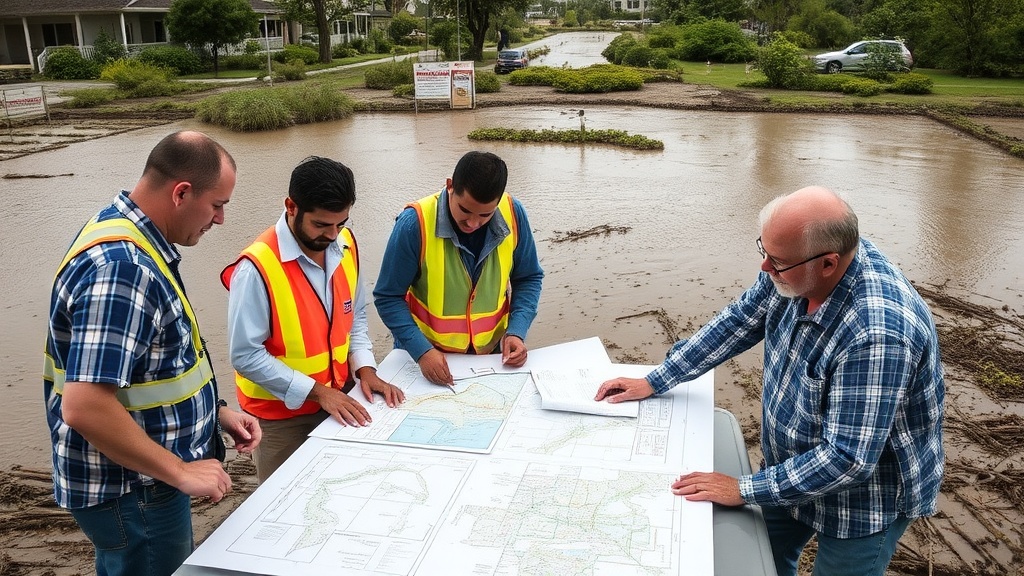
Coastal Infrastructure Resilience
Rising sea levels and increased storm intensity threaten coastal infrastructure. Non-porous, corrosion-resistant systems are essential for saltwater and tidal zone conveyance. Lower-loss design provides redundancy and predictability.
Resilience through materials and design
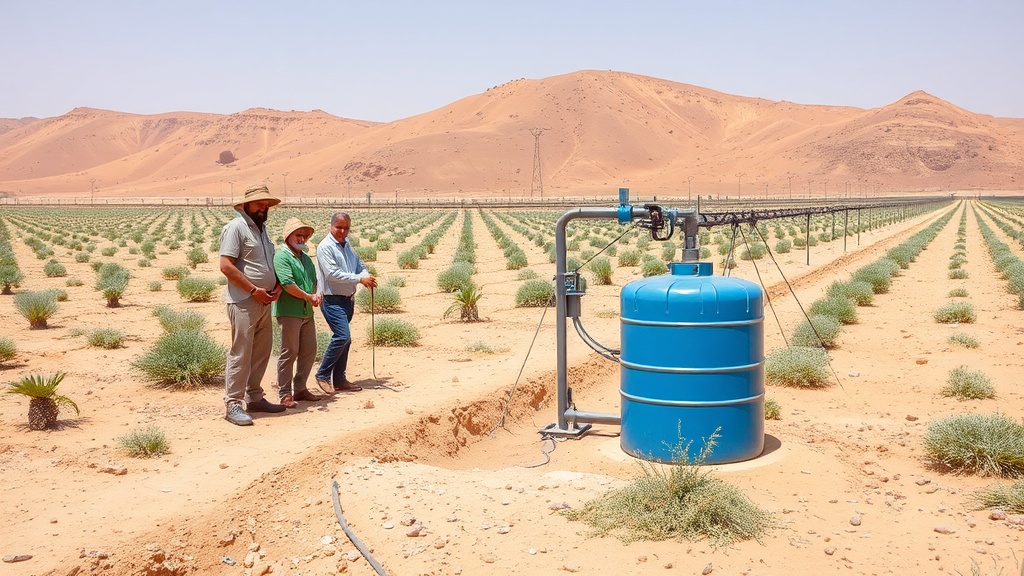
Arid Region Development
Desert and arid regions depend entirely on efficient water delivery. Lower-loss conveyance enables agriculture, remote settlement, and economic development without requiring new water sources. This is true climate adaptation.
Enabling growth within existing resources
Measure and Improve Your Environmental Impact
Lower-loss infrastructure delivers measurable environmental benefits. Whether you manage a utility, municipality, or development program, we can help you quantify savings and build a case for investment.