Systems Approach to Lower-Loss Infrastructure
Lower-loss infrastructure is not a single product—it's a comprehensive systems approach combining better materials, verified connection integrity, lifecycle cost procurement, and skilled workforce development.
Better Materials & Design
High-density polyethylene (HDPE) and other corrosion-resistant materials deliver superior lifecycle performance and lower total cost of ownership. System design optimizes connection integrity and eliminates failure-prone elements.
Benefits:
- • Extended asset life and reduced replacement cycles
- • Better corrosion resistance in challenging environments
- • Lower maintenance burden over system lifetime
- • Cleaner, faster installation processes
Verification at Connection Points
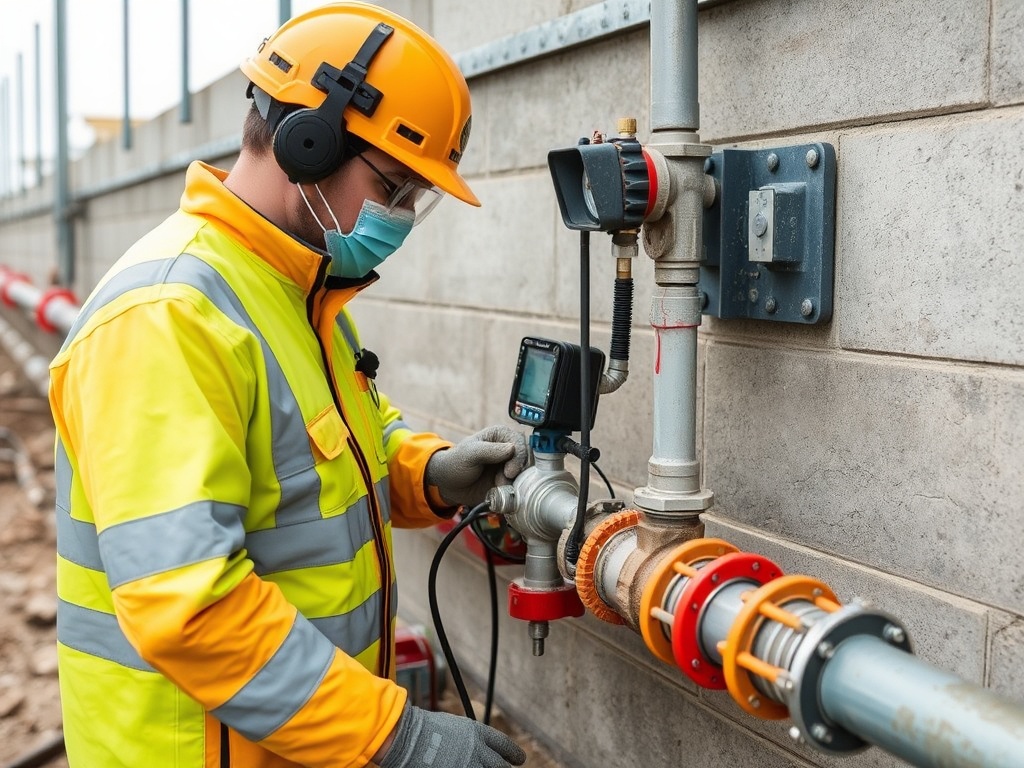
Testing and proof closer to point of risk reduces system-wide uncertainty and enables faster ditch closure. This shifts maintenance from reactive emergency response to predictable, managed maintenance windows.
Benefits:
- • Reduced pressure testing time and cost
- • Faster ditch closure and permit release
- • Earlier warning of potential seal degradation
- • Predictable maintenance windows vs. emergency response
Lifecycle Cost Procurement
Shifting from lowest-bid to lifecycle-cost evaluation rewards systems that minimize total cost of ownership. This incentivizes innovation in durability, reliability, and operational efficiency across the entire system.
Benefits:
- • Reduced long-term asset management cost
- • Better alignment of incentives across supply chain
- • Improved service reliability and customer satisfaction
- • Transparent cost comparison across system options
Workforce Development
Certification, training, and career pathways ensure that better systems create better work. Labor and management alignment drives adoption and ensures standards stick across systems and time.
Benefits:
- • Higher-quality installation and verification
- • Increased worker retention and career advancement
- • Faster adoption through labor market signals
- • Sustainable change through institutional buy-in
Measurable Business Outcomes
Lower-loss infrastructure delivers immediate and long-term financial benefits across installation, operations, and emergency management.
Immediate Benefits (Year 1-2)
Reduced Testing Time
Verification at connection points enables faster ditch closure and permits. Installation productivity increases, reducing crew time per project.
Lower Installation Cost
Faster, more predictable installation with fewer rework loops and inspection delays. Cleaner processes reduce disruption costs.
Community Benefit
Shorter trenches and faster closure mean less traffic disruption, fewer sidewalk closures, reduced business impact in urban areas.
Long-Term Benefits (Lifecycle)
Reduced Disruption
Better system integrity and predictable maintenance mean fewer emergency repairs. This reduces customer service disruption and emergency response costs.
Lifecycle Savings
Better materials and verified integrity extend asset life and reduce replacement frequency. Maintenance shifts from emergency to planned, reducing total cost.
Rate Stability
Lower total cost of ownership translates to more predictable rates and greater affordability for customers. This improves municipal credit ratings and public support.
Implementation Roadmap
Successful adoption of lower-loss infrastructure requires coordination across materials, design, procurement, workforce, and operations. We work with partners through each phase.
Phase
Assessment & Baseline
6 months
Pilot Project & Learning
12 months
Standards & Procurement
12 months
Scaling & Optimization
Ongoing
Assessment & Baseline
Evaluate current system performance, identify high-impact areas, and establish baseline metrics.
Deliverables:
- • System audit
- • Cost analysis
- • Optimization recommendations
Pilot Project & Learning
Deploy lower-loss systems in representative area and test new materials and verification methods.
Deliverables:
- • Pilot results
- • Cost validation
- • Training completed
- • Case study
Standards & Procurement Reform
Develop specifications and procurement criteria that reward lifecycle cost and sustainability.
Deliverables:
- • New specifications
- • Procurement policy updates
- • Training completed
Scaling & Optimization
Expand certification and training programs, build labor-management alignment, and scale deployment.
Deliverables:
- • Training programs scaled
- • Certifications active
- • System-wide deployment
- • Monitoring framework
Ready to Transform Your Infrastructure?
Lower-loss infrastructure delivers measurable benefits. Let's explore how these solutions can work for your organization.